Zapotec civilization
Pre-Columbian civilization centered at Monte Albán in Oaxaca.

Drakkar86 · CC BY-SA 4.0
The Zapotec civilization (Be'ena'a 'The People that came from the clouds'; c. Archaeological evidence shows their culture originated at least 2,500 years ago. The Zapotec archaeological site at the ancient city of Monte Albán has monumental buildings, ball courts, tombs and grave goods, including finely worked gold jewelry. Monte Albán was one of the first major cities in Mesoamerica and the center of a Zapotec state that dominated much of what is now the Mexican state of Oaxaca.
- Location
- Valley of Oaxaca, Mesoamerica
- Capital
- Monte Albán
- Language family
- Oto-Manguean
- Known for
- Monte Albán, monumental architecture, hieroglyphic writing, expansionist state
- Modern descendants
- Zapotec peoples
Lore & Background
At the time of Spanish conquest of the Aztec Empire, King Cosijoeza ordered his people not to confront the Spaniards.
Reader's Guide
The Zapotec civilization is significant as one of the earliest complex societies in Mesoamerica, with Monte Albán being among the first major cities in the region. Its development through synoikism—centralization of smaller populations to meet external threats—parallels processes in other ancient civilizations. The Zapotec state's expansion, documented through archaeological evidence like building J's conquest slabs and ceramic style changes, demonstrates early imperial strategies of colonization and military conquest. The civilization's legacy persists through modern Zapotec peoples, who are direct descendants. The Zapotec language family, part of the Oto-Manguean group, continues to be spoken. The civilization's encounter with Aztec and Spanish forces illustrates the broader dynamics of pre-Columbian and colonial Mesoamerican history. The name 'Zapotec' is an exonym from Nahuatl, while the people called themselves Be'ena'a, 'The Cloud People.'
Did You Know?
- The Zapotec referred to themselves as Be'ena'a, meaning 'The Cloud People.'
- Building J at Monte Albán, shaped like an arrowhead, contains over 40 carved stones with hieroglyphic writing interpreted as conquest slabs.
Origins and the Founding of Monte Albán
The Zapotec civilization, whose own name translates to 'The People that came from the clouds,' took root in the Y-shaped Central Valleys of Oaxaca during the late sixth century BC. Three distinct societies occupied the three arms of this valley system, separated at the centre by roughly eighty square kilometres of unclaimed territory—land that would one day become the city of Oaxaca. Archaeological traces of burned temples and sacrificed captives reveal that these three groups were locked in persistent rivalry. By the close of the Rosario phase, around 500 BC, the largest settlement, San José Mogote, and a neighbouring community in the Etla Valley had lost most of their inhabitants. In that same window, a new settlement emerged on a mountain ridge above the no-man's-land, commanding a view over all three valleys. Pottery from this nascent site closely matches that of San José Mogote, strongly suggesting its founders were displaced residents of the older town. Later fortifications point to a military threat, and scholars Joyce Marcus and Kent V. Flannery compared the consolidation to synoikism in ancient Greece—dispersed communities merging into a single centre for mutual defence.
Imperial Expansion and the Conquest Slab
During the late Monte Alban 1 phase and throughout Monte Alban 2, the state centred on Monte Albán projected power far beyond the valley. By around 200 AD, Zapotec influence stretched from Quiotepec in the north to Ocelotepec and Chiltepec in the south, making Monte Albán the largest urban centre in the southern Mexican highlands—a position it held until roughly AD 700. Evidence of this reach is visible in ceramic traditions: in regions outside the valley, locally distinctive pottery styles were abruptly replaced by Zapotec-style wares, signalling political integration. On the main plaza, a structure known as Building J stands apart from its neighbours in its arrowhead plan. Its surfaces carry more than forty carved stone slabs bearing hieroglyphic writing. Scholars read the glyphs as a record of subject provinces, each accompanied by a carved head wearing an elaborate headdress, presumably the provincial ruler. Heads rendered upside down are interpreted as leaders slain in conquest, while upright heads likely denote rulers who accepted annexation without resistance. For this reason the structure has earned the nickname 'The Conquest Slab.' Marcus and Flannery observed that the expansion combined both peaceful colonisation of smaller polities and military subjugation of larger ones.
Aztec Domination and the Spanish Arrival
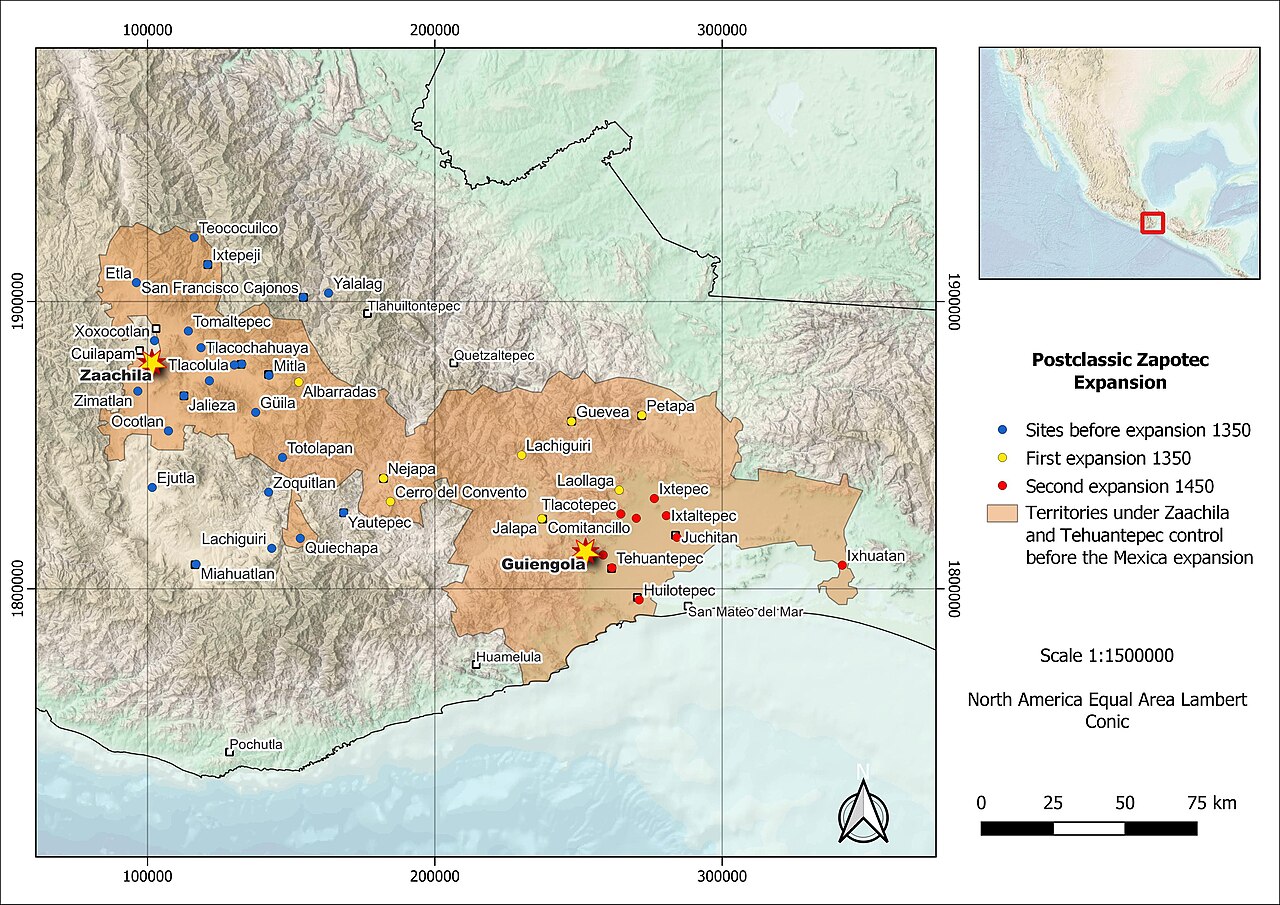
In the 1450s, Aztec armies pushed into the Valley of Oaxaca, and by 1458 the region fell under their control. In 1486 the Aztecs built a fort on the hill of Huaxyácac, later known as El Fortín, from which they enforced tribute collection. The final armed clash between the two peoples took place between 1497 and 1502, under the Aztec ruler Ahuizotl, at the fortified city of Guiengola in the Isthmus of Tehuantepec. When news of the Aztec defeat by the Spaniards reached Oaxaca, King Cosijoeza made a pragmatic decision: he ordered his people to stand down so they would not share the Aztecs' fate, and he dispatched a delegation to propose an alliance with the newcomers. On November 25, 1521, Francisco de Orozco entered the valley, and both Zapotec and Mixtec communities submitted to Hernán Cortés. Historian William B. Taylor noted that this peaceful transition spared Oaxaca the devastating loss of life and social upheaval that struck the Valley of Mexico. The only notable resistance came at Antequera, which was subdued by year's end.
Material Legacy and the Colonial Transition
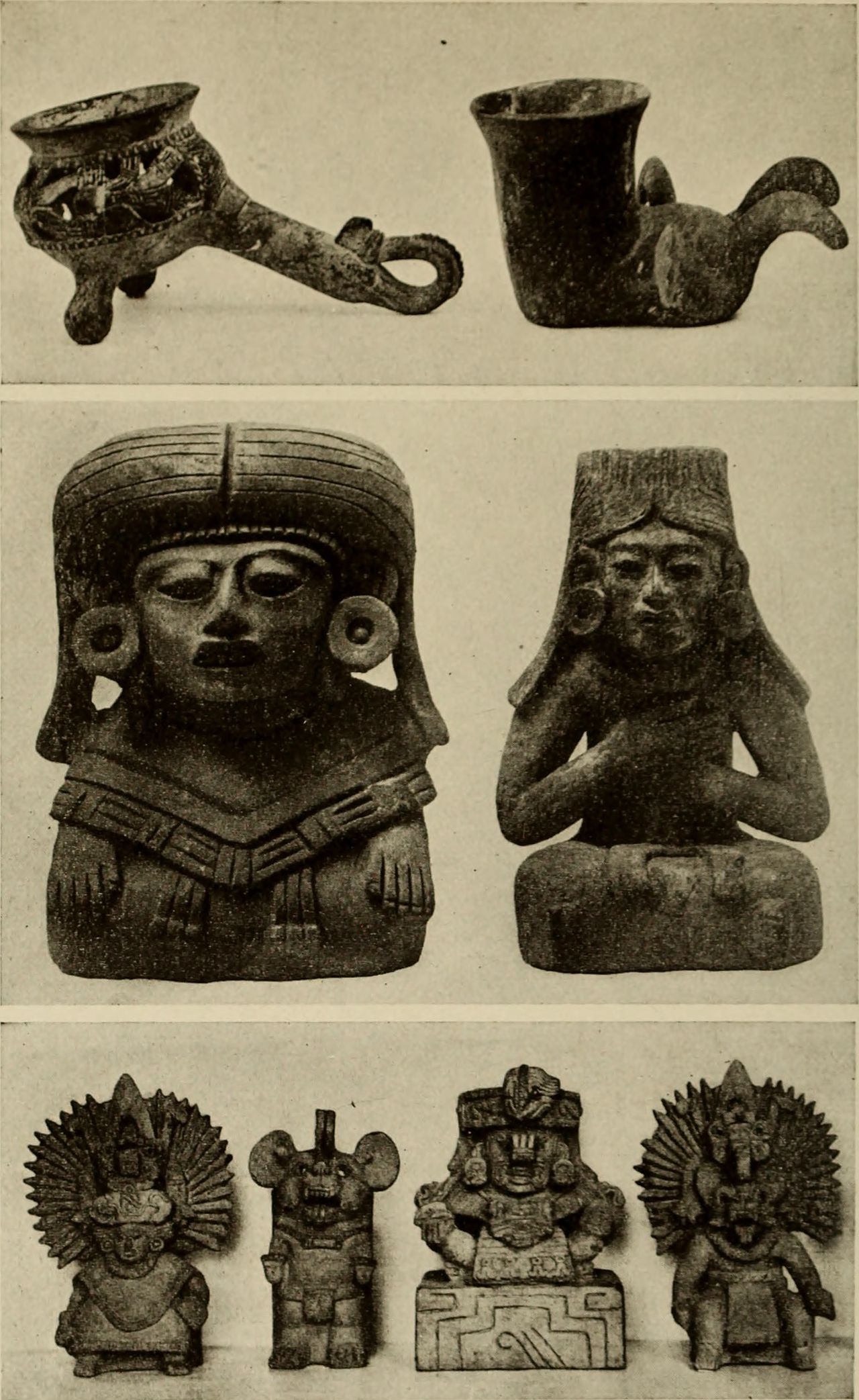
Monte Albán's archaeological record preserves monumental architecture, ball courts, elaborate tombs, and finely worked gold jewellery, testifying to a culture whose roots stretch back at least two and a half millennia. The Zapotec name for themselves, Be'ena'a, carries the evocative meaning 'The People that came from the clouds,' a self-identification that endures among their modern descendants in the Oaxaca region. After 1526 the territory was folded into the Marquessate of the Valley of Oaxaca within the Viceroyalty of New Spain, administered under Cortés. From 1528 Dominican friars took up permanent residence in Antequera, and after the Bishopric of Oaxaca was formally erected in 1535, Catholic clergy arrived in steadily growing numbers. Settlers from Spain also introduced domestic animals—horses, cows, goats, and sheep—that had never before been seen in the valley, fundamentally altering the local landscape and economy. Together, these layers of material culture, political transformation, and ecological change mark the long transition from a pre-Columbian state to a colonial province, while the Zapotec identity itself persisted through every upheaval.
Gallery
Frequently Asked Questions
Who are the Zapotec people and where were they based?
The Zapotecs (Be'ena'a, meaning 'people from the clouds') were an indigenous Mesoamerican civilization centered in the Valley of Oaxaca. Their culture stretches back at least 2,500 years, with the city of Monte Albán serving as their capital and political heart.
What made Monte Albán so significant in Mesoamerican history?
Monte Albán was one of the earliest major urban centers in the region, featuring large ceremonial platforms, ball courts, elaborate burial chambers, and finely crafted gold jewelry. It anchored an expansionist state that dominated much of what is now the Mexican state of Oaxaca.
Did the Zapotecs develop their own writing system?
Yes, they created a hieroglyphic script that set them apart as one of the few Mesoamerican cultures with a true writing tradition. This system was inscribed on monuments and artifacts to record names, events, and other information.
What language family did the Zapotecs belong to?
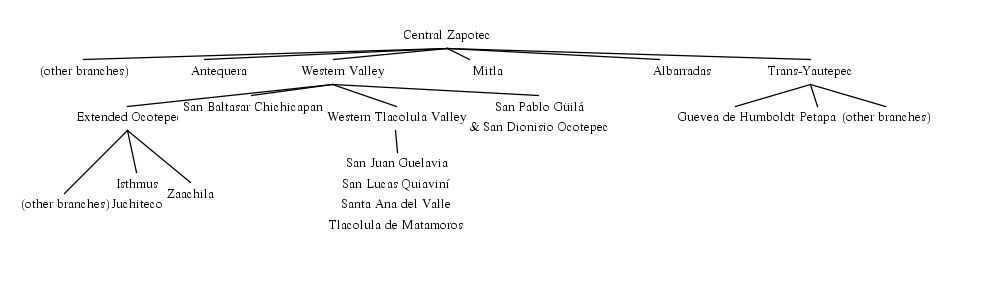
The Zapotec language is classified within the Oto-Manguean family, a large group of indigenous languages spoken across parts of Mexico. This linguistic lineage connects the Zapotecs to several other Mesoamerican peoples while preserving a distinct cultural identity.
More in Ancient Empires And Kingdoms 1-22
Spotted an error? Know more?
This is a living reference — every entry is fact-audited, and reader corrections feed straight into our audit queue. Suggest an edit · See this site's audit record