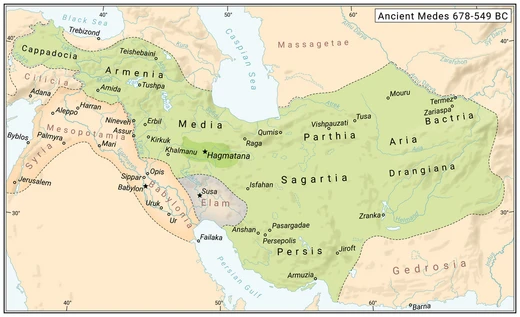
Uruk period
Protohistoric period of urban revolution and first writing.

Unknown artist · Public domain
The Uruk period (c. Named after the city of Uruk in southern Mesopotamia, it follows the Ubaid period and precedes the Jemdet Nasr period. This period saw major innovations that laid the foundations of ancient Mesopotamian civilization, including the appearance of cities and the state, often called the 'urban revolution.'
- Region
- Mesopotamia and the ancient Near East
- Preceded by
- Ubaid period
- Followed by
- Jemdet Nasr period (often considered final stage of Late Uruk)
- Key site
- Uruk (southern Mesopotamia)
- Known for
- Urban revolution, invention of Proto-cuneiform writing, state formation
Lore & Background
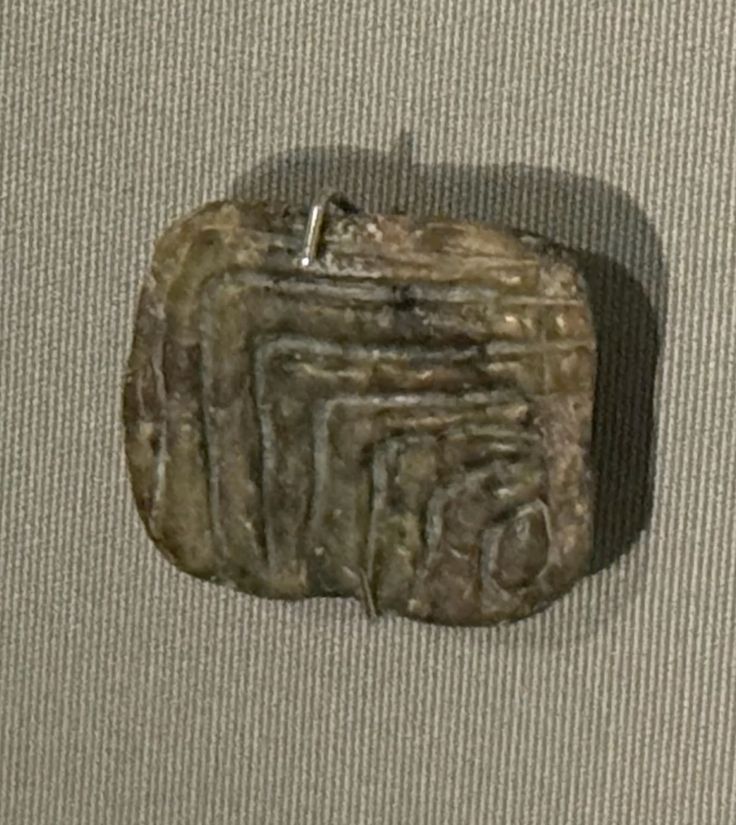
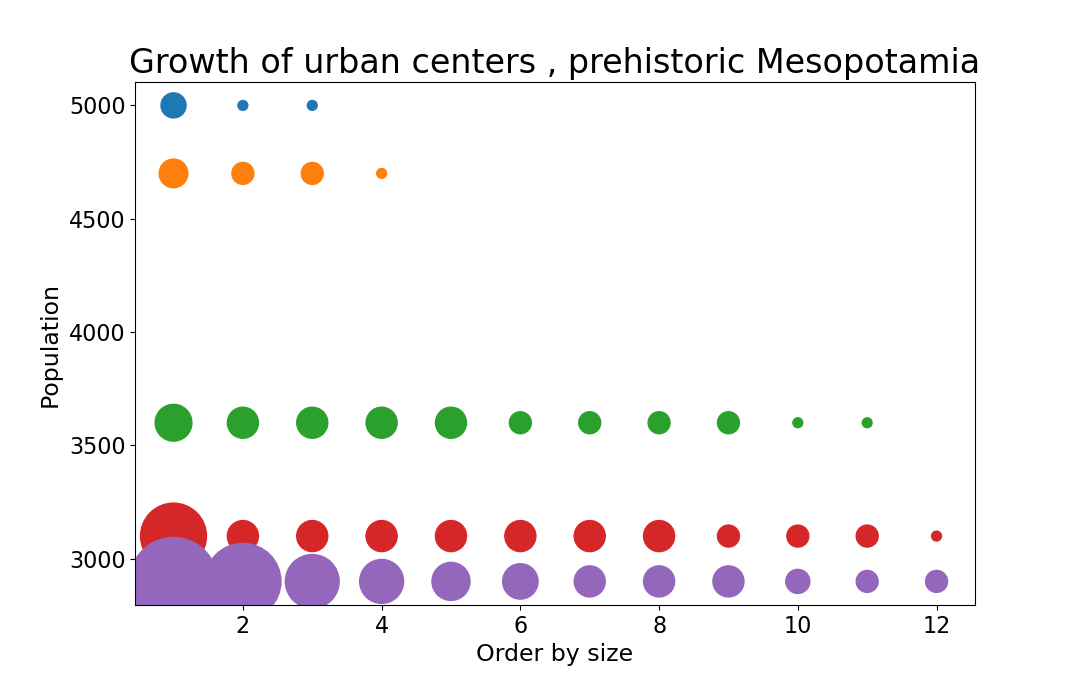
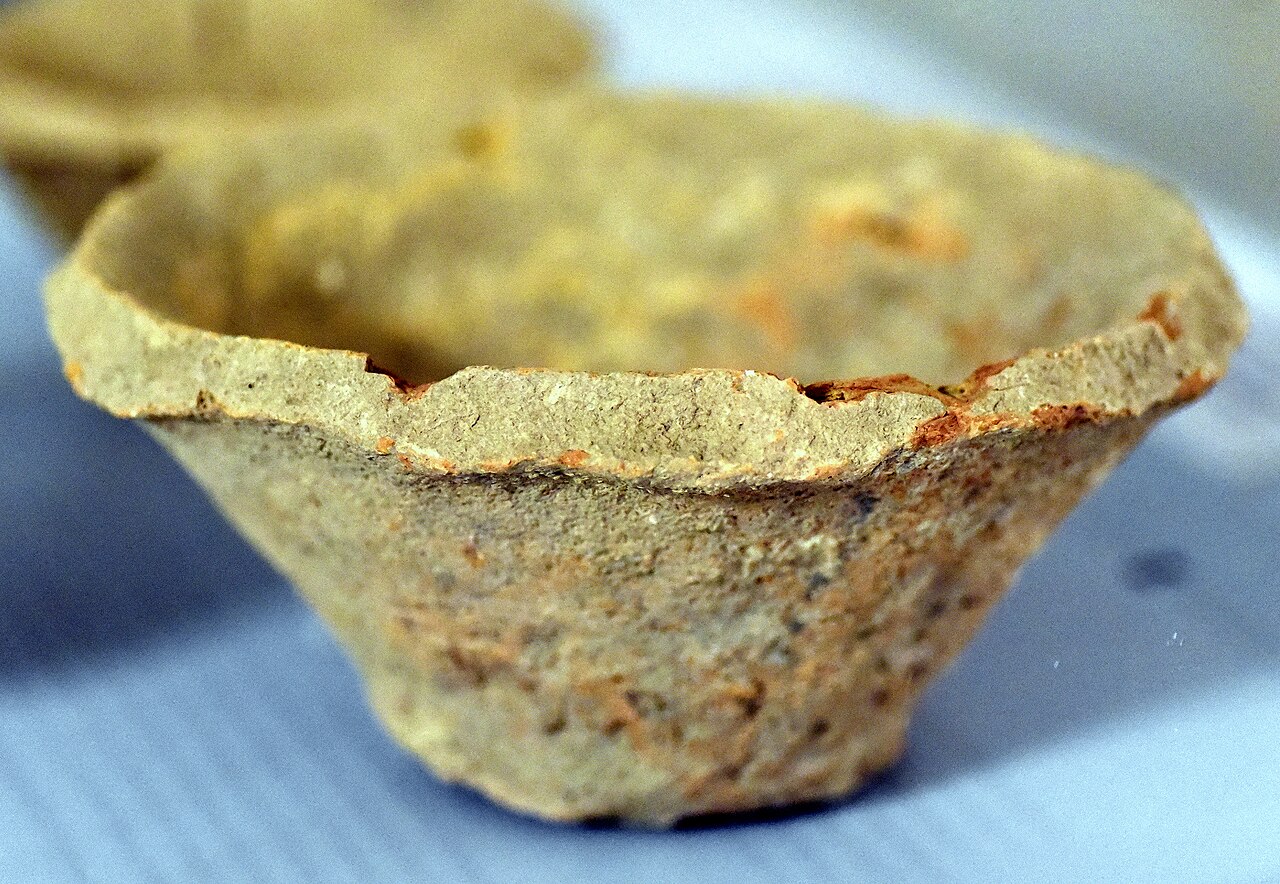
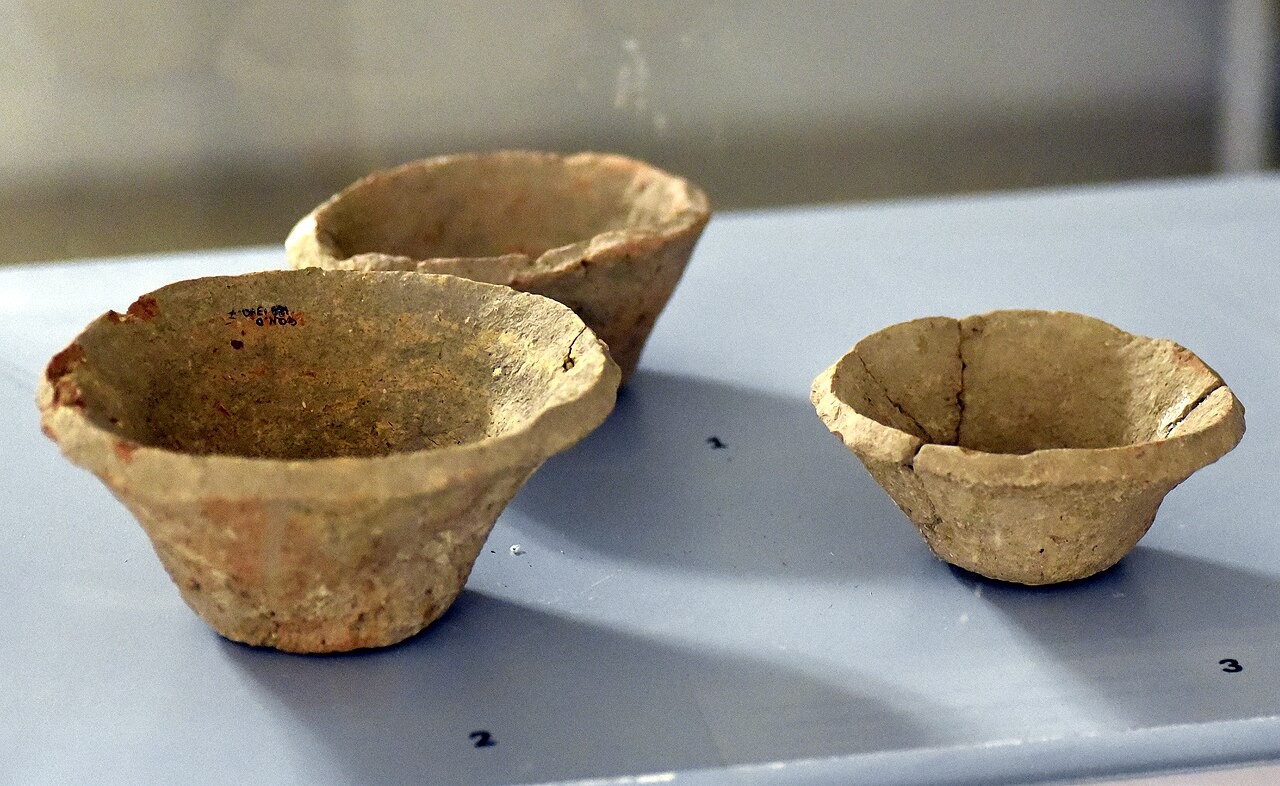
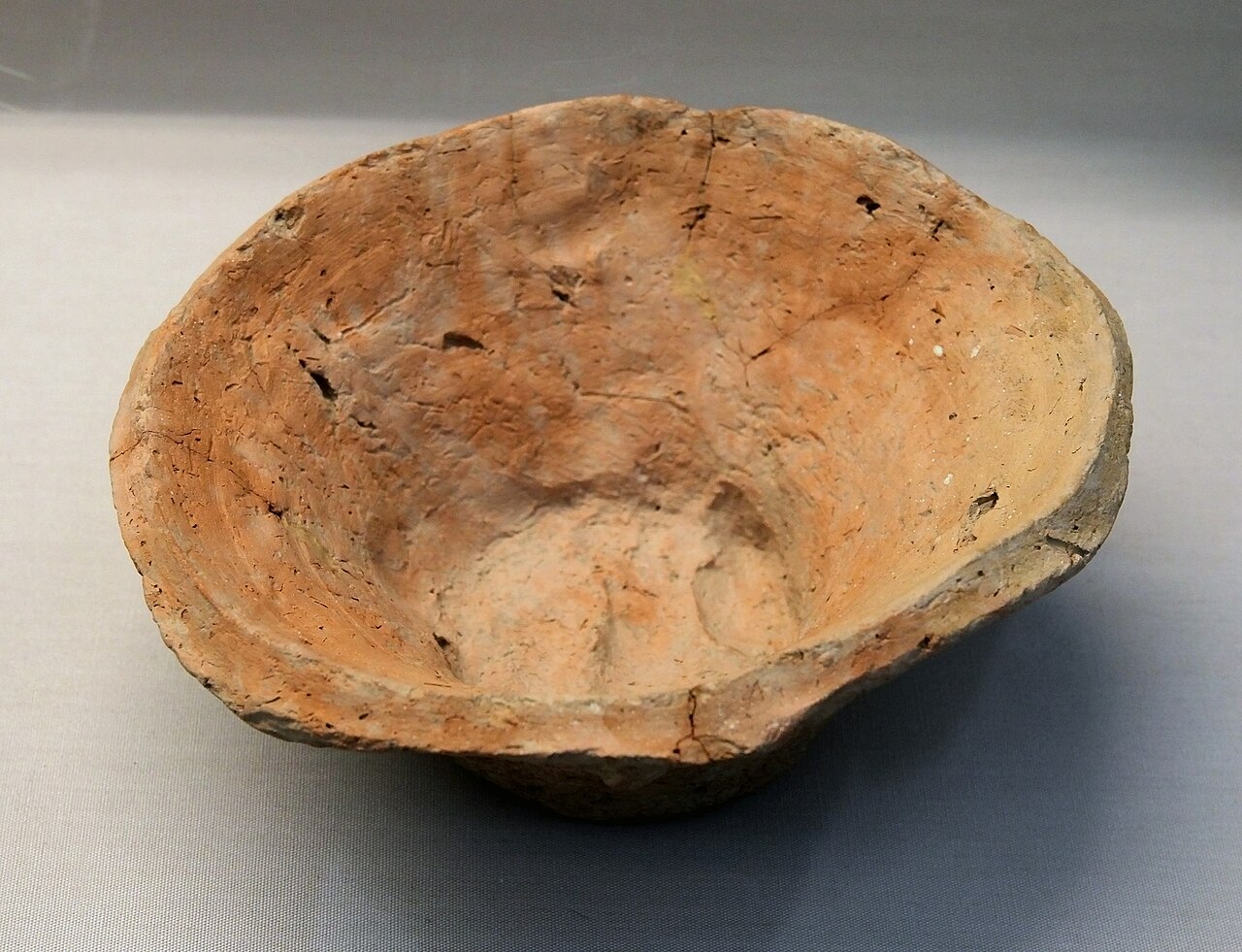
The Uruk period is traditionally divided into Early, Middle, and Late phases, based on excavations in the Eanna quarter at Uruk. The Early Uruk (levels XII to IX) saw substantial changes in ceramic assemblages, including wheel-made vases and beveled rim bowls, and the appearance of larger urban sites such as Eridu, Uruk, and Tell al-Hayyad. Cultural homogenization occurred, affecting Susiana, and the first colonial settlements appeared in neighboring regions. Uruk greatly exceeded other urban settlements, acquiring large-scale monumental architecture, and the first symbolic cylinder seals and bullae appeared, indicating the development of administration.
Reader's Guide
Large-scale building programs produced monumental buildings of unprecedented size. The Urukean expansion saw the implantation of outposts and colonies from southern Mesopotamia and significant cultural impact on neighboring regions. The period's significance lies in its foundational role for Mesopotamian civilization, including the emergence of cities, states, specialized labor, irrigated agriculture, standardized pottery and bricks, wool production, and the first writing system.
Did You Know?
- The Uruk period is also known as the Protoliterate period.
The Urban Revolution and Technological Breakthroughs
The Uruk period marks the moment when communities in Lower Mesopotamia crossed a threshold from dispersed village life into something fundamentally new: the city and the state. This transformation, often called the urban revolution, was not a single event but a gradual intensification of specialization across economic and social life. Irrigated agriculture expanded to feed growing populations, while the potter's wheel enabled the mass production of ceramics and standardized bricks in large quantities. Sheep farming scaled up to supply raw wool for dedicated textile workshops. Alongside these material advances came the institutional machinery of governance—systems for supervising laborers and managing resources. It was within this administrative context that proto-cuneiform writing emerged around 3400–3300 BC, initially serving record-keeping and bureaucratic oversight rather than literary or religious expression. The monumental center excavated at Uruk for the second half of the 4th millennium BC provides the clearest physical evidence of this culture in action, revealing a society organized around centralized planning, specialized production, and the management of workers and materials on a scale previously unknown in the region.
A Regional Phenomenon, Not a Local Invention
For much of the twentieth century, scholars assumed that the sweeping innovations of the Uruk period—urbanism, writing, state administration—sprang fully formed from the soil of southern Mesopotamia, with surrounding regions merely copying what they observed. That model has been largely abandoned. Excavations and surveys across the broader Near East have revealed that neighboring areas were active participants in the same transformative process, not passive recipients. Proto-urban sites and complex political entities emerged in Susiana in southwestern Iran, in northern Mesopotamia, in western Syria, and in southeastern Anatolia. Yet Lower Mesopotamia still stands apart as the most dynamic, most urbanized, and most influential region of the era. From this core radiated what scholars call the Urukean expansion: a long-term process in which outposts and colonies were established beyond the southern heartland, carrying with them a significant cultural imprint on surrounding territories. The result was not a single monolithic polity but a network of influence in which local traditions and southern innovations intertwined across a wide geographic canvas.
Naming, Dating, and the Architecture of Periodization
The very label "Uruk period" is a product of a 1930 conference in Baghdad, where scholars formalized a three-part sequence—Ubaid, Uruk, Jemdet Nasr—drawing on earlier excavations at Ur, Ubayd, Kish, Girsu, Jemdet-Nasr, and Susa, supplemented by the first German discoveries at Uruk in 1929. The traditional internal division into Early, Middle, and Late Uruk phases rests on key sondages in the Eanna quarter, where the oldest strata still belong to the late Ubaid and Uruk-style pottery first appears in the transition levels. German excavation campaigns completed in the 1950s and 1960s, yielding objects and tablets, gave the material culture its firm definition. Yet the chronology remained imprecise until newer tools arrived. Carbon-14 dating pushed the end of Late Uruk closer to 3300 BC, and the Cuneiform Digital Library Initiative placed Uruk IV tablets between roughly 3350 and 3200 BC. In 2001, a Santa Fe colloquium proposed a revised Late Chalcolithic framework (LC 1 through LC 5) that better accommodates sites outside Mesopotamia, while the ARCANE team has offered yet another regional chronology for the ancient Near East.
Apex, Cessation, and the Fragmentation of a World
The Late Uruk phase, spanning roughly 3500 to 3300/3200 BC, represents the zenith of the southern Mesopotamian cultural project. During this window, the urban revolution reached its fullest expression, the Urukean expansion pushed its outposts and colonies to their greatest geographic reach, and the administrative and technological systems that had been building for centuries operated at their most developed level. Then, around 3300/3200 BC, the dynamic simply stopped. The long-term process of southern influence over neighboring regions ceased, and the Near East entered a period of markedly greater cultural fragmentation. The transitional phase known as Uruk III or Jemdet Nasr, lasting until approximately 3000 BC, is sometimes treated as the final chapter of Late Uruk rather than a wholly separate era. Whatever the taxonomic label, the shift was real: the expansive cultural sphere that had defined the preceding centuries gave way to a more diverse and regionally differentiated landscape. The foundations laid during the Uruk period—cities, writing, state institutions—survived, but the particular configuration of power and influence that had produced them did not.
Gallery
Frequently Asked Questions
What was the Uruk period's main role or contribution?
Fans often call this era the 'urban revolution' because it is when the first true cities, centralized states, and monumental public architecture appeared in the region. It also produced proto-cuneiform clay tablets, making it the birthplace of the earliest known writing system in human history.
How does the Uruk period's story end?
Rather than a single dramatic collapse, the Uruk period gradually bled into the Jemdet Nasr horizon, which many scholars treat as the final Late Uruk phase. Political structures, long-distance trade routes, and the writing tradition all carried forward into the early third-millennium BC civilizations that succeeded it.
Why is the Uruk period important to fans of ancient empires?
It marks the exact moment scattered farming villages became complex urban societies with organized governance, social stratification, and record-keeping. Every later Sumerian, Akkadian, and Babylonian empire fans study ultimately traces its institutional DNA back to the innovations of this window.
Where exactly did the Uruk period take place?
The culture was anchored in southern Mesopotamia, with the site of Uruk (modern Warka, Iraq) serving as its namesake and a primary archaeological locus. Its material culture and trade connections, however, radiated outward across the broader ancient Near East, reaching into parts of present-day Syria, southeastern Turkey, and western Iran.
More in Ancient Empires And Kingdoms 1-22
Spotted an error? Know more?
This is a living reference — every entry is fact-audited, and reader corrections feed straight into our audit queue. Suggest an edit · See this site's audit record