Yamnaya culture
Steppe pastoralists who spread Proto-Indo-European languages.

Photo by D. Żurkiewicz · CC BY 4.0
It is of particular interest to archaeologists and linguists because the widely accepted Kurgan hypothesis posits that the people who produced the Yamnaya culture spoke a stage of the Proto-Indo-European language, which gave rise to today's widely dispersed Indo-European languages.
- label
- Yamnaya culture
- also_known_as
- Pit Grave culture, Ochre Grave culture
- period
- late Copper Age to early Bronze Age
- region
- Pontic–Caspian steppe (between Southern Bug, Dniester, and Ural rivers)
- known_for
- Burial in pit graves under kurgans; association with Proto-Indo-European language
Lore & Background
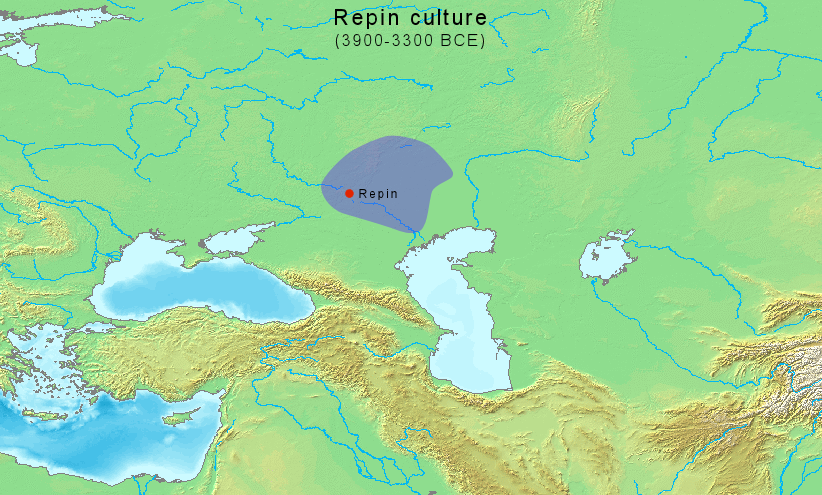
The Yamnaya culture was defined by Vasily Gorodtsov to differentiate it from the Catacomb and Srubnaya cultures. Its name derives from its characteristic burial tradition: yamnaya is a Russian adjective meaning 'related to pits', as these people buried their dead in tumuli containing simple pit chambers. Research in recent years has found that Mykhailivka, on the lower Dnieper River in Ukraine, formed the core Yamnaya culture (c. The origin of the Yamnaya culture continues to be debated, with proposals pointing to both the Khvalynsk and the Sredny Stog cultures, as well as the Don-based Repin culture.
Reader's Guide
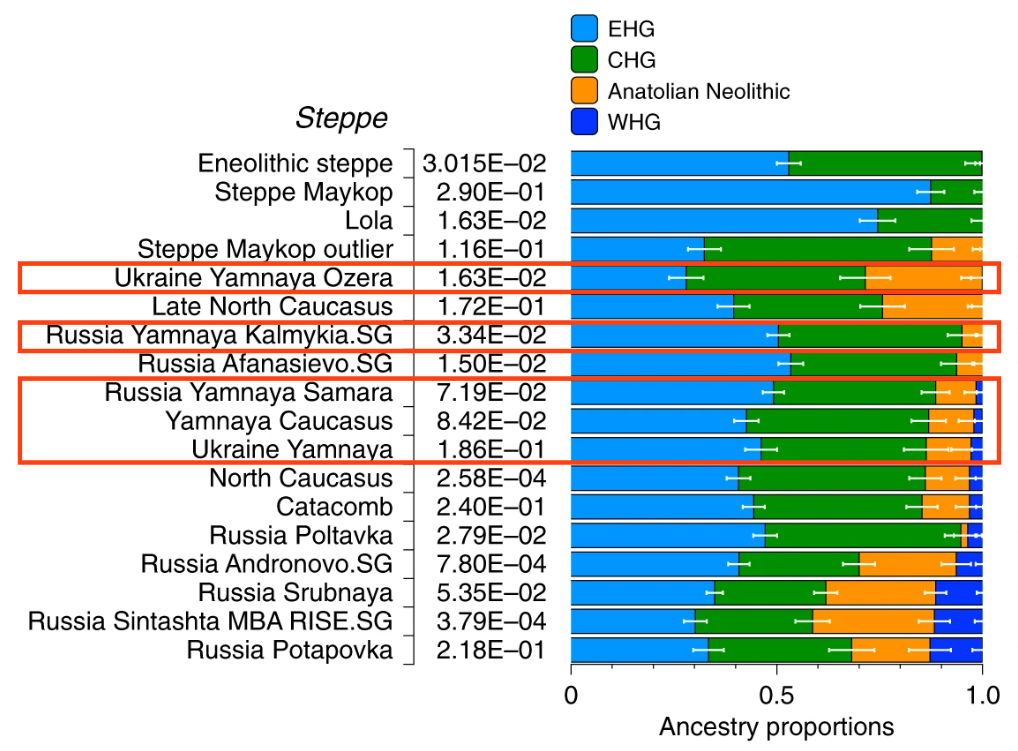
The Yamnaya culture is significant for its role in the Kurgan hypothesis, which links it to the spread of Proto-Indo-European languages across Eurasia. Its economy was based on animal husbandry, fishing, foraging, and the manufacture of ceramics, tools, and weapons. The people were nomads or semi-nomads, organized in a chiefdom system, and relied on riding horses and wheeled carts for mobility. Genetic studies indicate that Yamnaya populations contributed large parts of their ancestry to later cultures such as Corded Ware, Bell Beaker, Sintashta, and Andronovo. The Yamnaya culture was succeeded in its western range by the Catacomb culture and in the eastern range by the Poltavka culture. Its material culture was very similar to the Afanasievo culture of southern Siberia, and both cultures' populations are genetically indistinguishable, suggesting a shared origin or migration.
Did You Know?
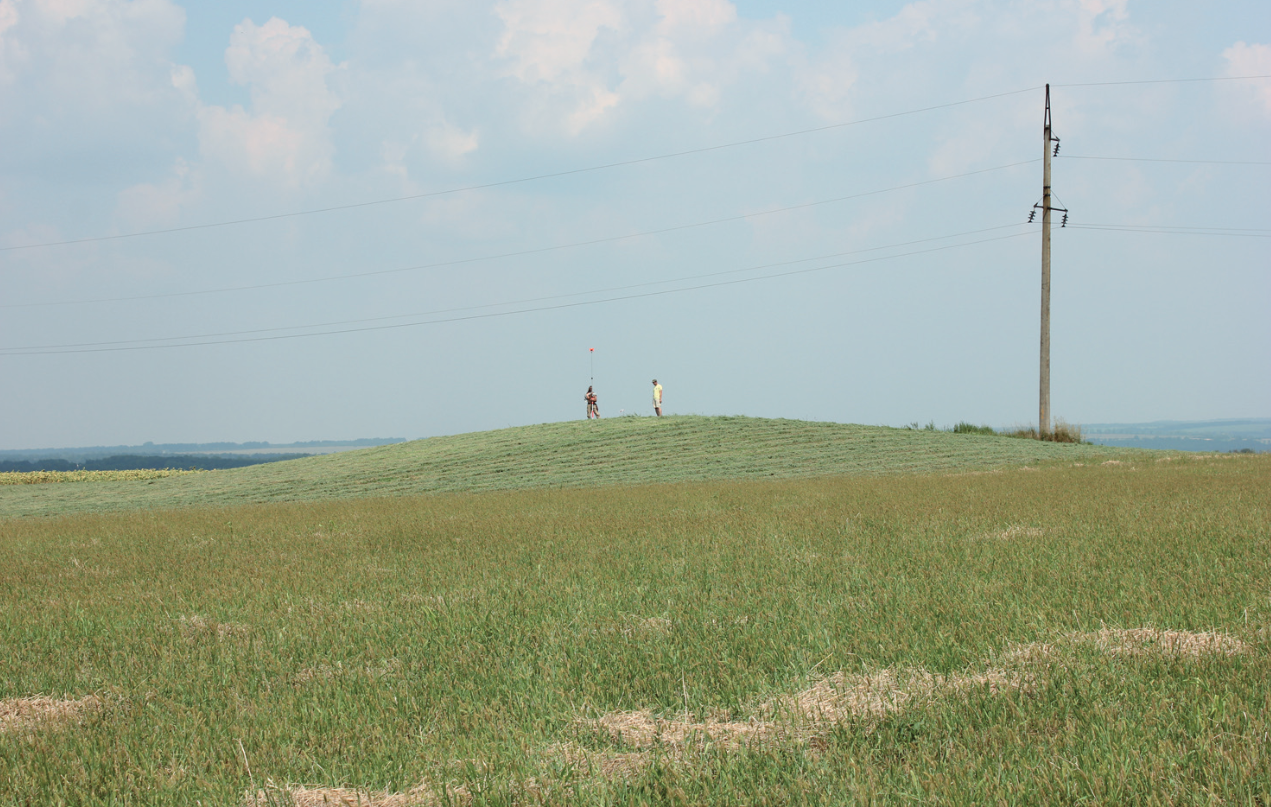
- The Yamnaya culture buried their dead in pit chambers under kurgans, often with animal offerings and ochre.
- The Yamnaya culture used two-wheeled carts and four-wheeled wagons, thought to be oxen-drawn, and there is disputed evidence of horse riding.
- The largest fortified site of the Yamnaya culture is Mikhaylivka.
Gallery


Frequently Asked Questions
What is the Yamnaya culture?
The Yamnaya culture, also called the Pit Grave or Ochre Grave culture, was a late Copper Age to early Bronze Age archaeological culture of the Pontic-Caspian steppe. Its name derives from the Russian word meaning 'inhabited,' a nod to the dense clusters of burial mounds found across the region.
Why is the Yamnaya culture so important to linguists?
The widely accepted Kurgan hypothesis identifies the Yamnaya people as speakers of Proto-Indo-European, the ancestral tongue behind most of Europe's and parts of Asia's modern languages. This link makes the culture a pivotal piece in tracing how a single steppe language could eventually branch into hundreds of distinct modern languages.
What was everyday life like for the Yamnaya people?
They were mobile pastoralists who herded livestock across open steppe grasslands rather than relying on settled crop farming. Their society is best known for its elaborate kurgan burial mounds, indicating a deep cultural emphasis on honoring the dead with rich grave goods.
More in Ancient Empires And Kingdoms 1-22
Spotted an error? Know more?
This is a living reference — every entry is fact-audited, and reader corrections feed straight into our audit queue. Suggest an edit · See this site's audit record