Sumerian King List
Ancient list legitimizing kingship through successive Mesopotamian cities.

via Wikipedia: Sumerian King List · see source
The Sumerian King List (SKL), also known as the Chronicle of the One Monarchy, is an ancient literary composition written in Sumerian. It was likely created and redacted to legitimize the claims to power of various city-states and kingdoms in southern Mesopotamia during the late third and early second millennium BC. The text repetitively lists Sumerian cities, the kings that ruled there, and the lengths of their reigns, which in the early part often span thousands of years. In the oldest known version, dated to the Ur III period (c. 2112 – c. 2004 BC) but probably based on Akkadian source material, the SKL reflected a more linear transition of power from Kish to Akkad. Later versions from the Old Babylonian period consisted of a larger number of cities, reflecting a more cyclical view of how kingship came to a city, only to be inevitably replaced by the next.
- Also known as
- Chronicle of the One Monarchy
- Language
- Sumerian
- First fragment published
- 1906 by Hermann Volrath Hilprecht
- Second fragment published
- 1911 by Jean-Vincent Scheil
- Oldest known version
- Ur III period (c. 2112 – c. 2004 BC)
- Best-known version
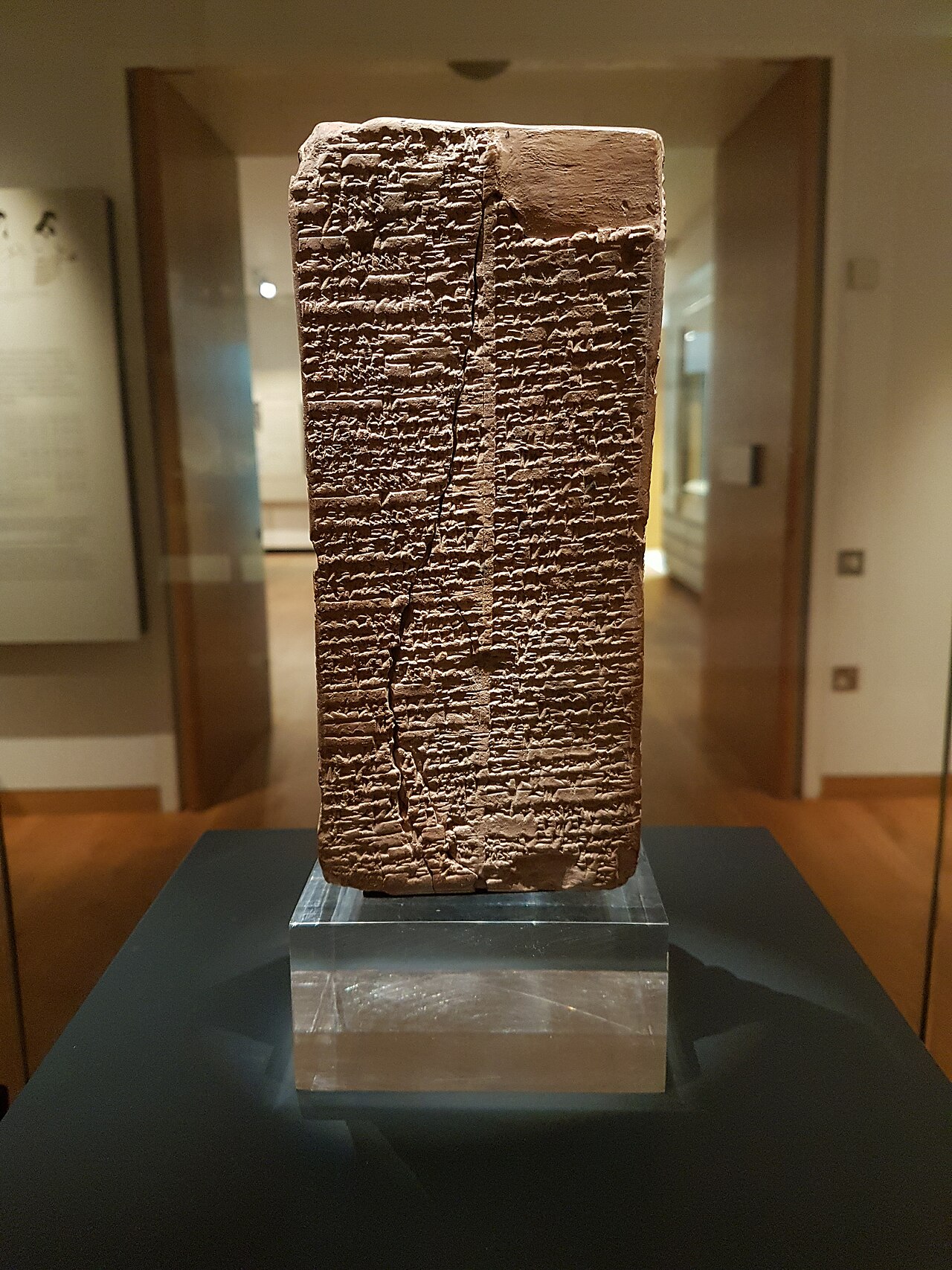
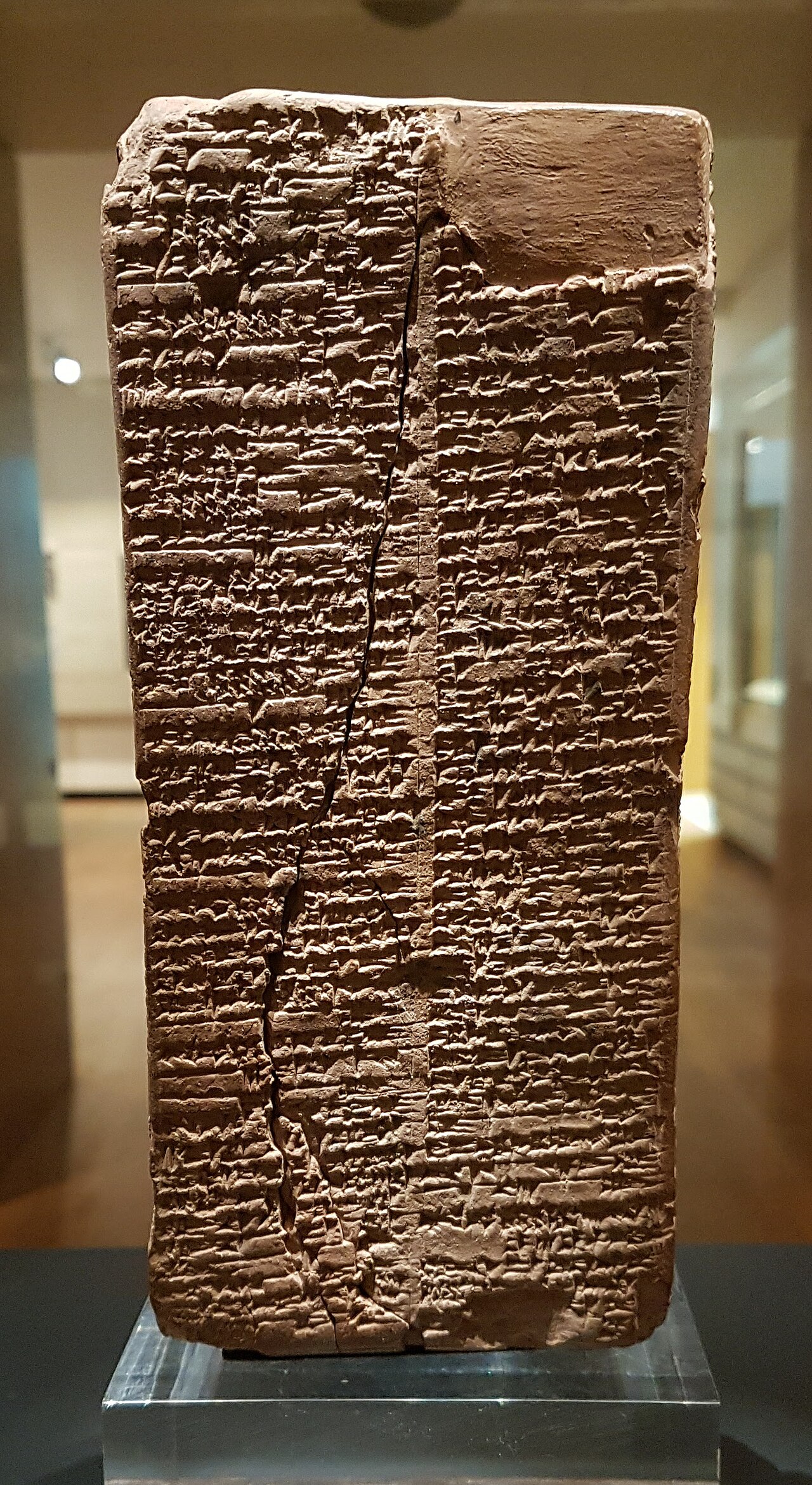
- Weld-Blundell Prism
- Number of known sources
- At least 16 tablets or fragments
Verified Timeline
Lore & Background
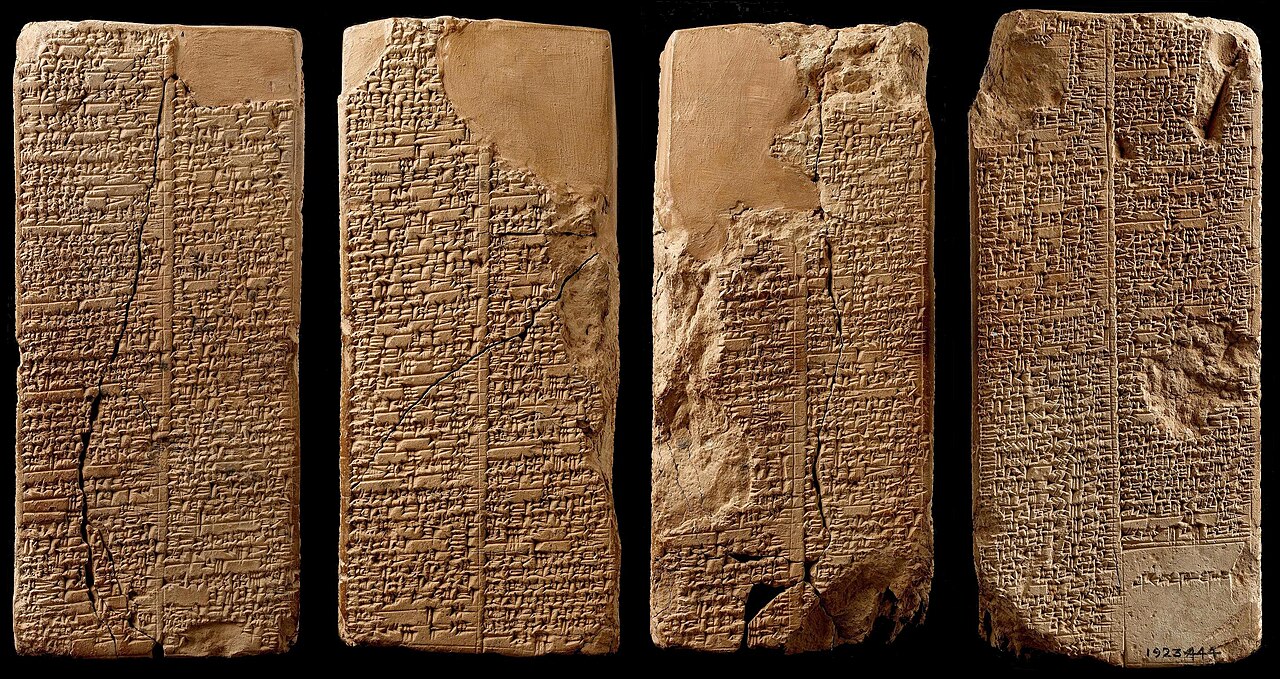
The versions differ in exact content: some sections are missing, others arranged in a different order, names of kings may be absent, or reign lengths vary. These differences result from both copying errors and deliberate editorial decisions to change the text to fit current needs. The Ur III Sumerian King List (USKL), on a clay tablet possibly found in Adab, is the only known version predating the Old Babylonian period; its pre-Sargonic part is completely different from the SKL, starting with a single long list of rulers from Kish (including rulers who, in the SKL were part of different Kish dynasties), followed by a few other dynasties, followed again by the kings of Akkad. The best-known and best-preserved version, the Weld-Blundell Prism, begins with a number of fictional antediluvian kings who ruled before a flood swept over the land, after which kingship went to Kish. It ends with a dynasty from Isin (early second millennium BC), well-known from other contemporary sources. The Weld-Blundell Prism was dated to year 11 of the reign of king Sin-Magir of Isin, the last ruler mentioned in the SKL.
Reader's Guide
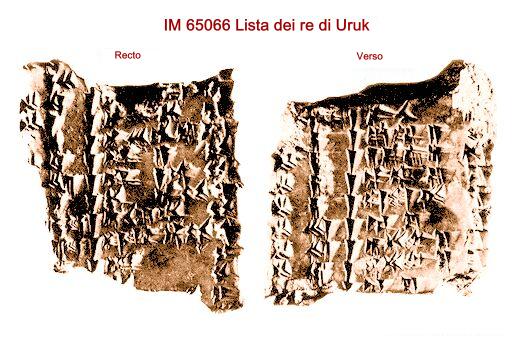
The Sumerian King List was once considered an invaluable source for reconstructing the political history of Early Dynastic Mesopotamia. However, more recent research indicates that its use is fraught with difficulties and that it should only be used with caution, if at all, in studying ancient Mesopotamia during the third and early second millennium BC. The text reflects a linear transition of power in its oldest version, but later versions show a more cyclical view of kingship moving between cities. Modern scholarship uses numbered dynasties (e.g., Kish I, Uruk IV, Ur III) to refer to uninterrupted rule of a single city, though this numbering is not present in the original text. The SKL emphasizes that kingship was given to the city, not individual rulers, even when noting familial relationships. At least 16 different tablets or fragments containing parts of the composition are known, most from Nippur. The first fragment was published in 1906 by Hermann Volrath Hilprecht, and the second in 1911 by Jean-Vincent Scheil.
Did You Know?
- The SKL's first word was 'nam-lugal', meaning 'kingship', which was used as its title in contemporary sources.
- Enmebaragesi of Kish is the first king in the SKL whose name is attested from contemporaneous Early Dynastic I inscriptions.
- The antediluvian section lists eight kings who ruled over five cities for a total of 241,200 years, with individual reigns ranging from 43,200 to 28,800 years.
- Only two copies of the SKL have been found outside Babylonia: one at Susa in Elam and another at Tell Leilan in Upper Mesopotamia.
- The USKL, from the reign of Shulgi (2084–2037 BC), has a pre-Sargonic part completely different from the SKL, starting with a single long list of rulers from Kish.
A Political Instrument of Legitimacy
The Sumerian King List was not merely a historical record but a carefully crafted literary composition designed to validate the authority of ruling powers across southern Mesopotamia. During the late third and early second millennium BC, various city-states and kingdoms needed textual justification for their claims to sovereignty. The SKL accomplished this by systematically enumerating cities, their rulers, and the durations of each reign. In its earliest surviving form from the Ur III period, the text presented a straightforward narrative of power passing from Kish—the first city to receive kingship—to Akkad, suggesting a natural and orderly succession. Later Old Babylonian recensions, however, depicted a far more complex picture: kingship migrating among numerous cities in what appears to be a cyclical pattern, where no single polity held lasting dominance. This shift from linear to cyclical framing reveals how the text was reshaped to serve the political needs of whichever dynasty was commissioning or copying it at the time.
Physical Fragments and Their Recovery
The Sumerian King List survives through at least sixteen clay tablets or fragments, most recovered from sites across southern Mesopotamia, with the overwhelming majority coming from the ancient city of Nippur. Only two copies have been identified outside Babylonia: one at Susa in Elam and another at Tell Leilan in Upper Mesopotamia, the latter preserving the sole intact version of the Mari list that is badly broken in other recensions. The first fragment was published in 1906 by Hermann Volrath Hilprecht, followed by a second in 1911 through Jean-Vincent Scheil. Among all extant copies, the Weld-Blundell Prism stands alone as a relatively undamaged manuscript, encompassing the antediluvian kings through the Isin dynasty and even bearing a colophon dating it to the eleventh year of Sin-Magir's reign. Most other tablets are fragmentary, with sections missing, names absent, or reign lengths altered—variations stemming from both scribal copying errors and deliberate editorial adjustments made to suit the political context of the time.
Divergent Versions and the Ur III Anomaly
What scholars commonly call the Sumerian King List is in reality not a single fixed text but a family of related compositions that evolved across centuries. The oldest known version, the Ur III Sumerian King List, likely copied during the reign of Shulgi around 2084 to 2037 BC, presents a radically different pre-Sargonic sequence from later recensions. Where the standard SKL distributes early rulers among many cities in multiple dynasties, the Ur III tablet opens with one extended list of Kish rulers—incorporating figures that later versions scattered across separate dynasties—before moving to a handful of other dynasties and finally to Akkad. This linear, Kish-centric structure contrasts sharply with the Old Babylonian versions, which multiply the number of cities and emphasize a cyclical transfer of kingship. The absence of the antediluvian section in every Nippur copy further illustrates how regional scribal traditions shaped the text. These divergences confirm that the composition was a living document, continuously redacted to reflect the ideological priorities of its latest patrons.
Modern Scholarship and the Limits of the Text
For much of the twentieth century, the Sumerian King List was treated as an indispensable tool for reconstructing the political history of Early Dynastic Mesopotamia. Scholars built elaborate chronologies around its numbered dynasties—Kish I, Uruk IV, Ur III—assigning precise sequences to rulers whose names appear nowhere else in the archaeological record. However, more recent research has complicated this picture considerably. The modern numbering system is entirely a scholarly convention absent from the original text, and the very concept of dynasty as a family-based succession may not map neatly onto Mesopotamian political reality, where kingship was understood as belonging to a city rather than a lineage. Furthermore, the text's own internal contradictions—varying reign lengths, missing names, reordered sections across copies—mean that it should now be employed with considerable caution, if at all, as a historical source for the third and early second millennium BC. Its value lies more in revealing how ancient scribes conceived of political legitimacy than in providing a reliable chronology.
Gallery
Frequently Asked Questions
What is the Sumerian King List?
It is an ancient Sumerian literary text that catalogs the kings who ruled successive Mesopotamian cities, along with the stated lengths of their reigns. The earliest entries often assign reigns stretching across thousands of years.
What is another name for the Sumerian King List?
It is also called the Chronicle of the One Monarchy. That alternate title reflects the text's framing of kingship as a single, divinely transferred authority passing from one city to the next.
When were the first fragments of the Sumerian King List published?
The earliest surviving fragment was published in 1906 by Hermann Volrath Hilprecht, and a second fragment followed in 1911 through Jean-Vincent Scheil. These two publications brought the composition to modern scholarly attention.
What is the best-known version of the Sumerian King List?
The most widely studied copy is the Weld-Blundell Prism. The oldest known version of the text dates to the Ur III period, roughly 2112 to 2004 BC.
Why was the Sumerian King List created?
It was composed and redacted to validate the political claims of competing city-states and kingdoms in southern Mesopotamia. By presenting a continuous, divinely ordained succession of rulers, the text lent legitimacy to whoever held the throne at any given moment.
More in Ancient Empires And Kingdoms 1-22
Spotted an error? Know more?
This is a living reference — every entry is fact-audited, and reader corrections feed straight into our audit queue. Suggest an edit · See this site's audit record